Which models can actually do CAD?
2 models, 29 tasks, 174 attempts. Each attempt is graded on whether it built, on measured geometry, and on a checklist an AI judge answers from the renders. Click any number to open the attempt behind it.
Read this gap with care
This run limited Kimi K3.1 Pro to 32,000 output tokens per response. On the articulated figure task, two of its three attempts reached that limit in their first response and built nothing. That one task is most of the gap between the two models: without it, both score about 92.
We then raised Kimi's limit to 60,000 and ran that task six more times on its own. All six passed the gates and none reached the limit. The task's mean score rose from 29 to 89, against 98 for Sonnet 5.5. The attempts also cost more and took longer: $1.30 and about 12.7 minutes each, up from $0.54 and about 5 minutes.
Those six attempts are not in the numbers on this page. Using their score for that task would put Kimi at about 91.6 against Sonnet's 92.4, but that is an estimate, not a measured run.
All models
| # | Model | Quality | Cost and time | Overall | Strict | Gate pass |
|---|---|---|---|---|---|---|
| 1 | Sonnet 5.5Anthropic | 92 | 56% | 97% | ||
| 2 | Kimi K3.1 ProModal | 89 | 53% | 93% |
Overall gives partial credit at every layer, so the top of the board bunches. Strict counts only the attempts that got everything right. Gate pass is the share whose part was watertight, hole-correct and overlap-free. Hover any bar for its number. Ties break by cost, then time.
Browse the tasks
Hard
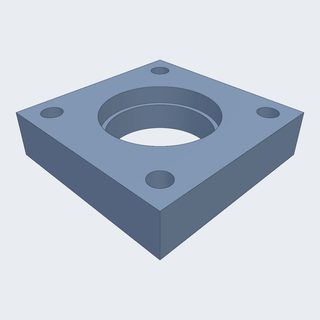 608 bearing seat
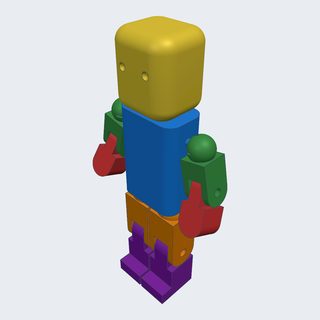 Articulated figure
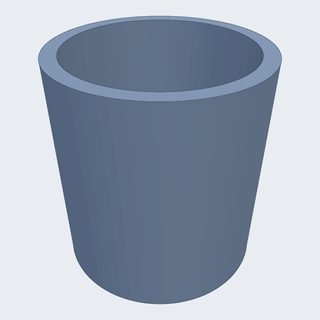 Bottle neck adapter
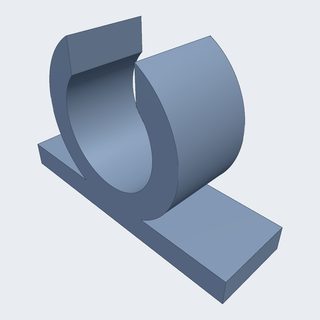 Cable clip
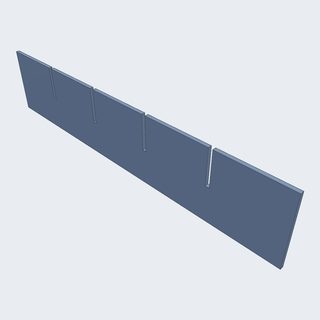 Drawer divider
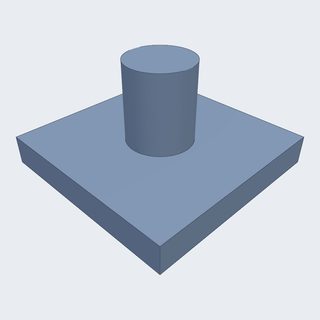 Extrusion 2020 end cap
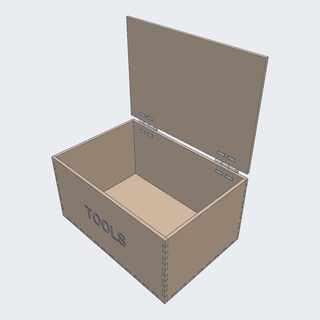 Laser box printed hinges
 Mesh add tabs
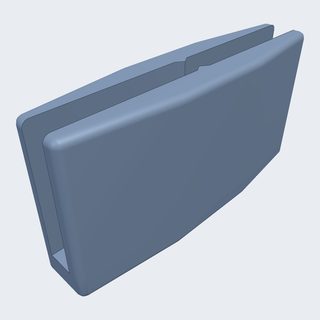 Mesh holder holes
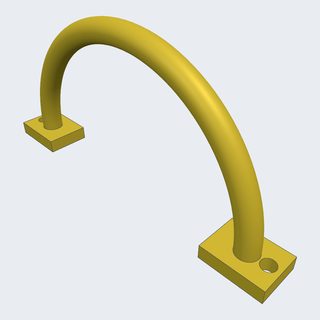 Mesh rebuild blender handle
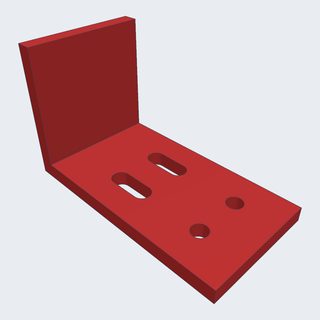 Mesh rebuild freecad bracket
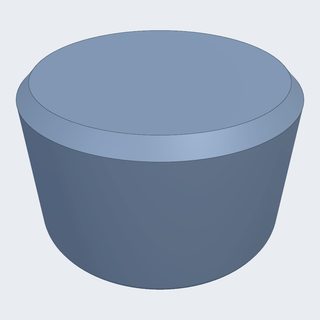 Mesh rebuild freecad knob
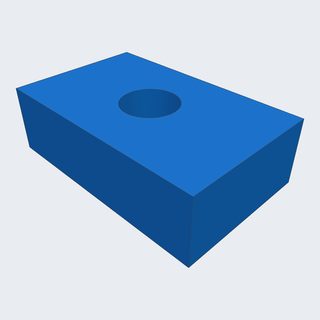 Mesh rebuild scan
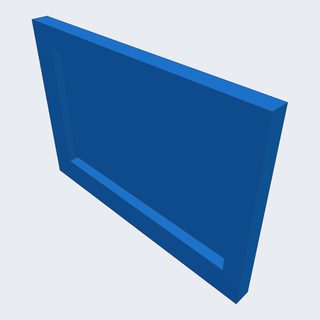 Mesh socket mount
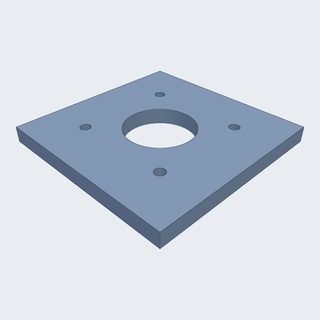 Nema17 face mount
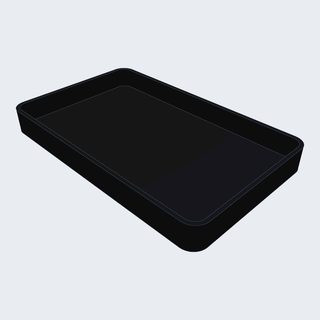 Photo cluttered real
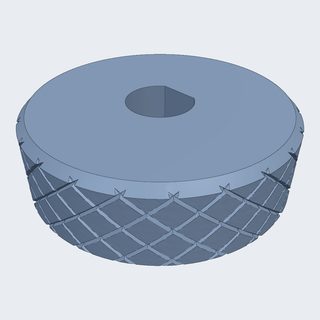 Photo knob
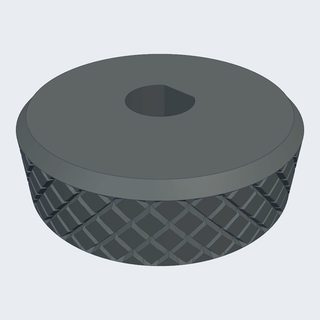 Photo knob oblique
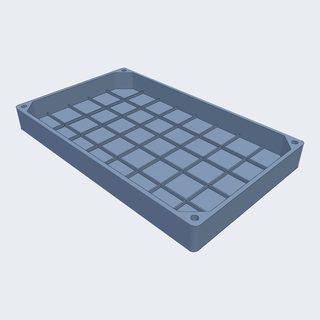 Photo lid
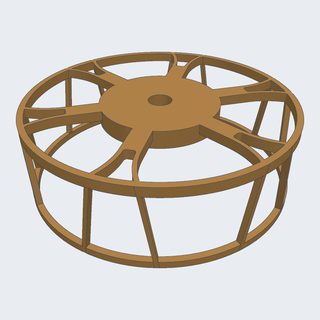 Photo motor bell
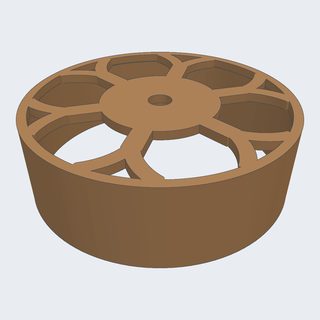 Photo motor bell unstated
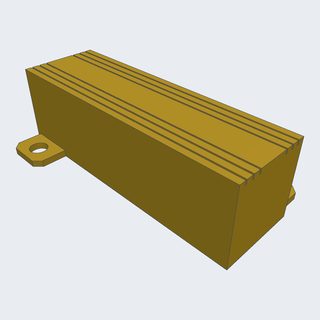 Photo resistor
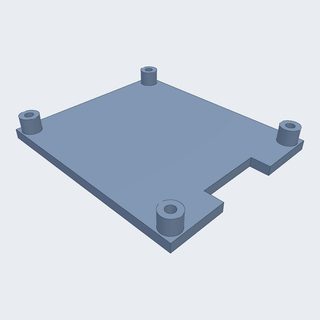 Rpi4 tray
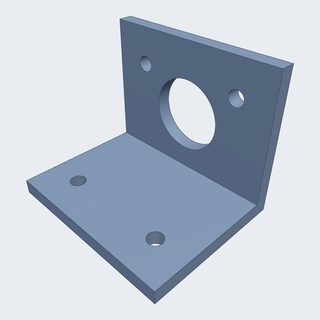 Bracket second mount
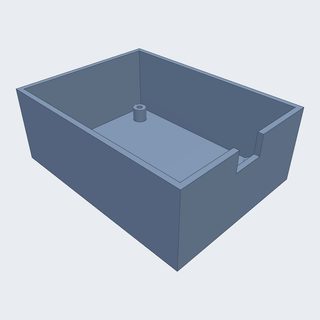 Enclosure build up
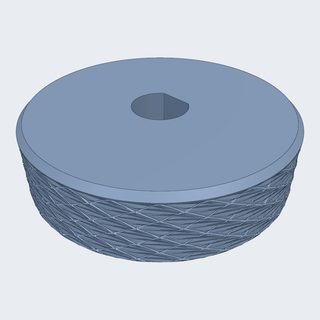 Knob then widen
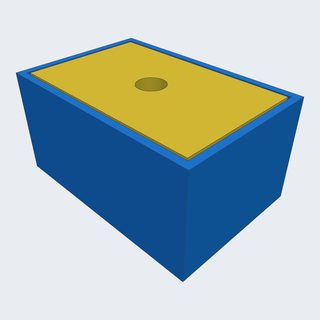 Lid fit and finger hole
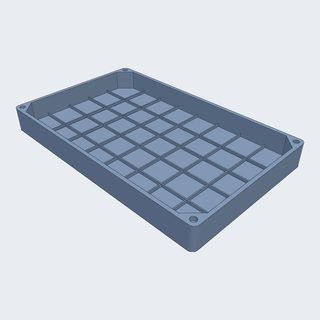 Photo lid then centred
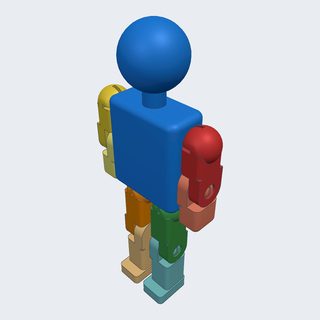 Posable figure then hinges
How the score is made
Built 30%, measured geometry 50%, AI judge 20%. A failed gate zeroes geometry for that attempt. The AI judges are Opus 5.5 and GPT-6 Sol. Read the methodology.
This is an older run. See the current results.
Run kimi31-sonnet-hard2026-11-05commit 58201d93spend $50.99 + $14.79 AI judgingOther runs: 2026-11-05T05-50-12-kimi31-vs-sonnet, 2026-10-16T18-49-10-hard-compact-2026-10-16, 2026-09-23T06-56-16-hard-baseline-2026-09-23, 2026-09-10T19-44-23-baseline-2026-09, 2026-09-04T20-02-10-stage2-hard-cases, 2026-09-04T19-48-31-screen-14-fixed