Which models can actually do CAD?
partforge is an agentic coding harness for parametric CAD. An AI agent works with you to turn a prompt, and whatever guidance follows it, into a small program that generates a 3D model. Along the way it has the documentation, a reference library of published parts, and web search. After each step of a build it gets screenshots and measurements of the thing it has made. That makes this an unusually direct way to measure how the current models handle vision, tool use and reasoning about 3D geometry at once.
This first baseline ran 5 models over 54 tasks, 675 attempts in all. Each attempt is graded on whether it built, on measured geometry, and on a checklist an AI judge answers from the renders. Click any number to open the attempt behind it.
What we found
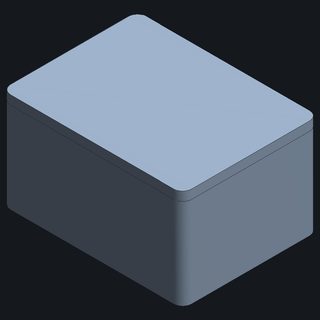
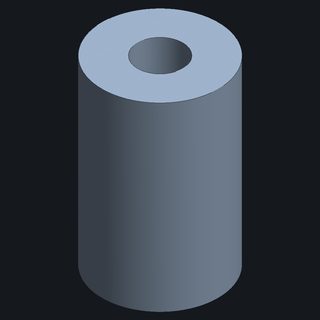
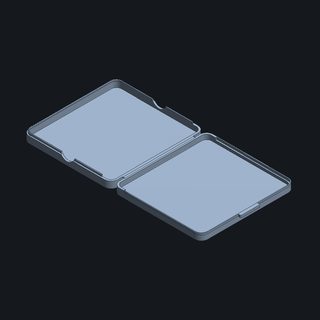
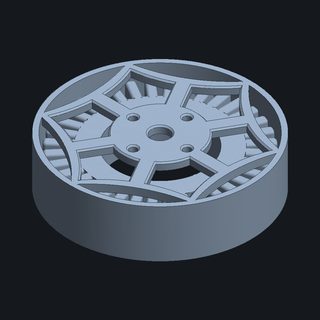
Some of it surprised us. Cost and time spread much further than quality did: the field runs from $0.16 to $1.02 a task, and from 1m 17s to 3m 59s. Almost any current model can build a washer or a spacer. Ask for a motor spoke, a clamshell cover, or a lid that has to fit something, and the results vary a lot.
The thing we kept running into is that a person's idea of a good design does not always match the AI judges'. Better ergonomics and simpler forms are what set some models apart, and nothing in the score sees that directly.
This is the first of many runs, and we want to see how DeepSeek V4.1 and other open weight models do. On the strength of these results we have made Gemini 3.8 Flash the default model for partforge users. It costs about a sixth of what GPT-6 Astra does, it is quicker than every model that scored near it, and the human ranking came down in its favour more often than not.
Where the score and the reviewer disagree
Overall gives partial credit at every layer. Once every model can do most of a task the scores bunch: this run's five sit inside 2.4 points, and what little is left does not match what the reviewer saw. Strict reads the same evidence as a pass or a fail, and it does separate them.
All models
| # | Model | Quality | Cost and time | Overall | Strict | Human rank | Gate pass |
|---|---|---|---|---|---|---|---|
| 1 | Fable 5.1Anthropic | 95 | 68% | 49% | 98% | ||
| 2 | GPT-5.6 SolOpenAI | 93 | 68% | 43% | 95% | ||
| 3 | GPT-6 AstraOpenAI | 93 | 69% | 50% | 94% | ||
| 4 | Gemini 3.8 FlashGoogle | 93 | 71% | 61% | 96% | ||
| 5 | Opus 5Anthropic | 92 | 65% | 47% | 95% |
Overall gives partial credit at every layer, so the top of the board bunches. Strict counts only the attempts that got everything right. Gate pass is the share whose part was watertight, hole-correct and overlap-free. Hover any bar for its number. Ties break by cost, then time. In Quality, the bar marked with a person is one reviewer's ranking of the cases they ordered by hand. First place is 100%, last is 0%, ties share, and the tick marks 50%. That reviewer found every first attempt acceptable. Neither affects Overall or Strict.
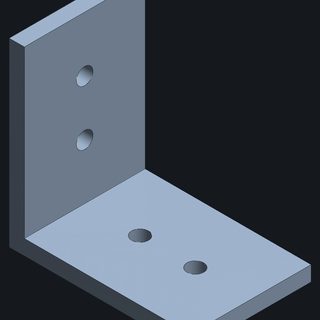
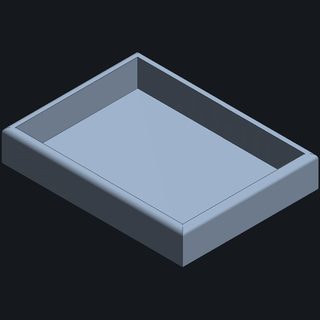
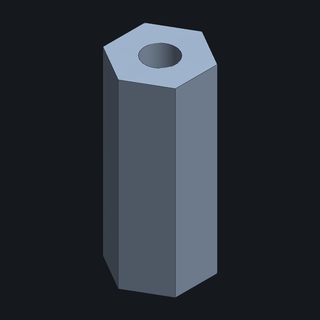
The tasks run from a plain washer to rebuilding a part from a photograph, and every one of them grades what the model built rather than what it said about it. The methodology page has the details.
Browse the tasks
Easy
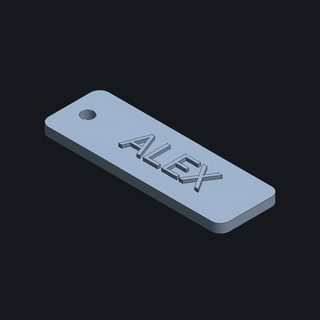
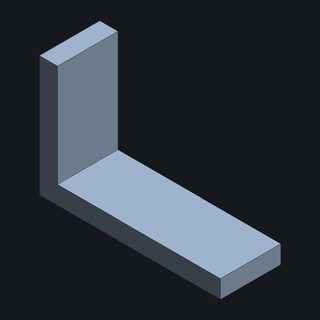
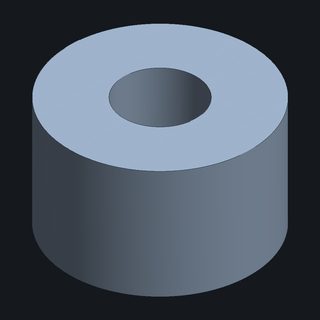
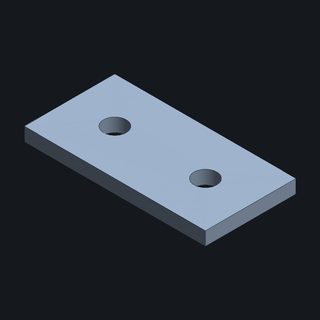
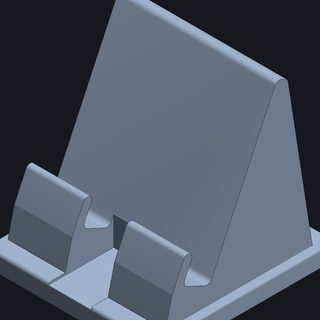


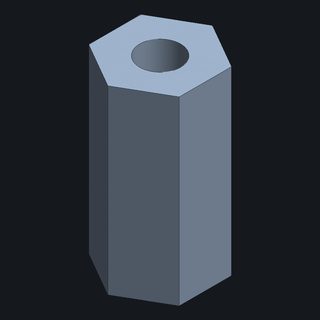
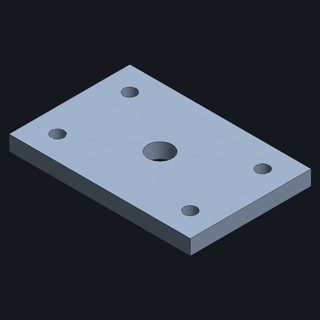
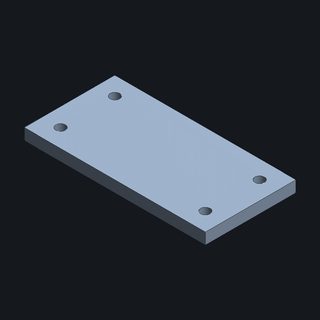

Medium
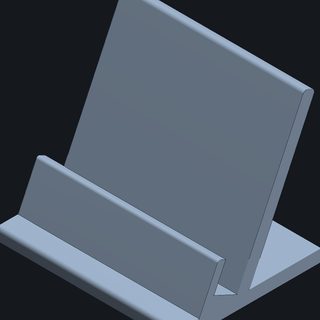
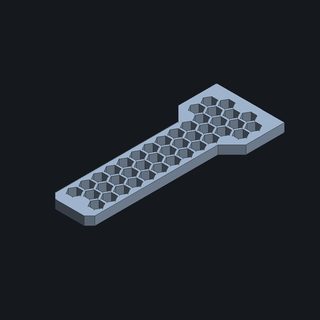
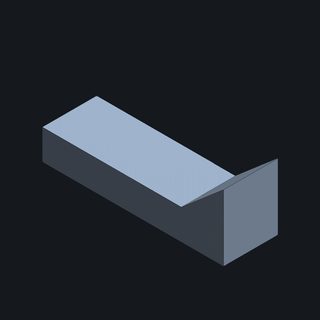
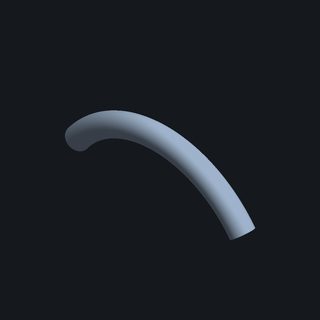
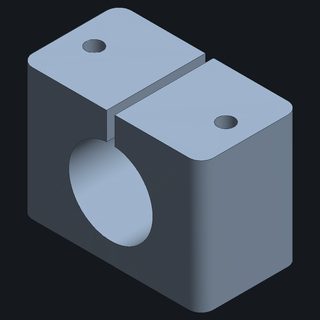
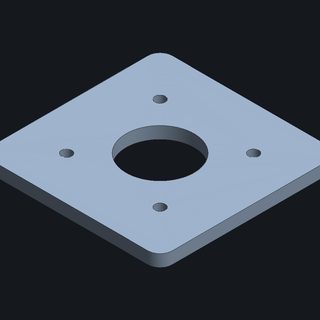
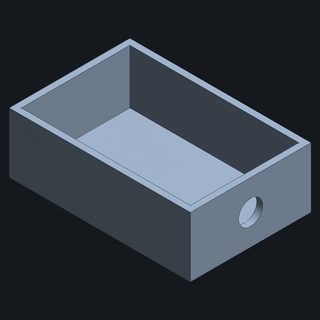
Hard
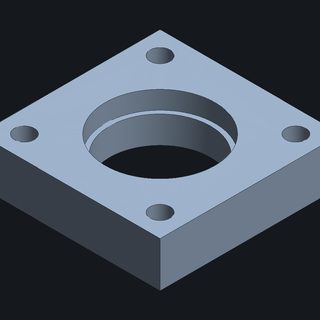 608 bearing seat
 Bottle neck adapter
 Cable clip
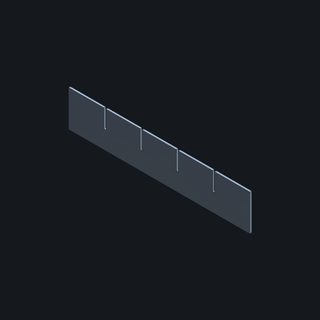 Drawer divider
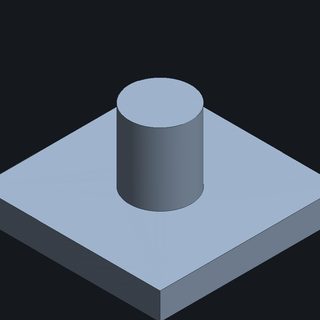 Extrusion 2020 end cap
 Mesh add tabs
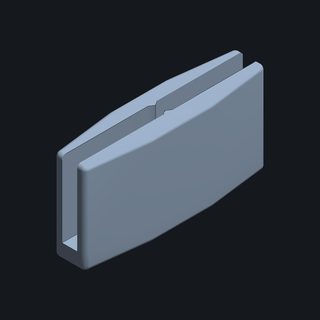 Mesh holder holes
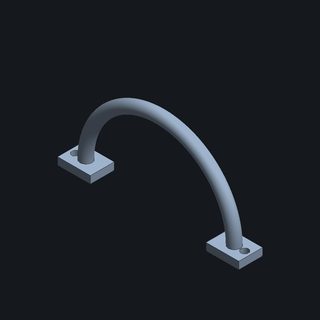 Mesh rebuild blender handle
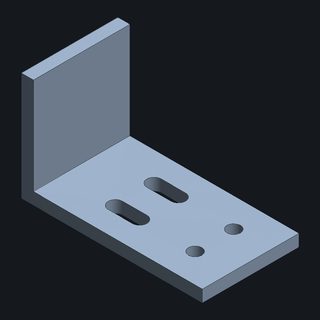 Mesh rebuild freecad bracket
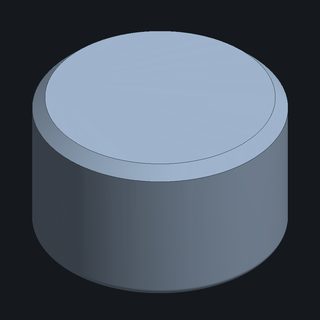 Mesh rebuild freecad knob
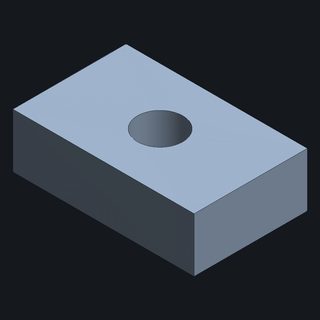 Mesh rebuild scan
 Mesh socket mount
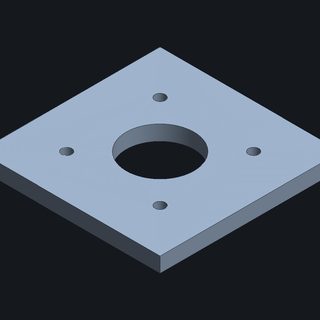 Nema17 face mount
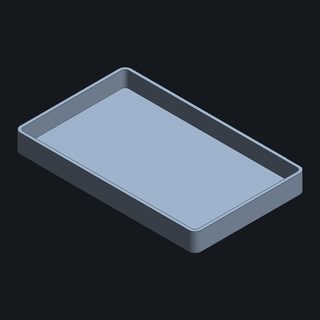 Photo cluttered real
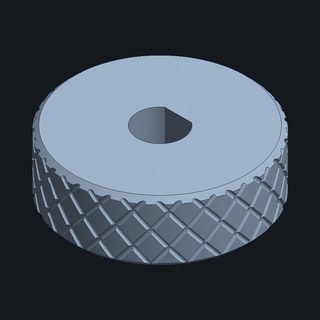 Photo knob
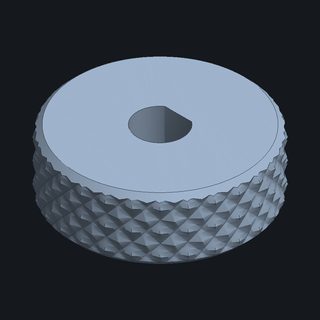 Photo knob oblique
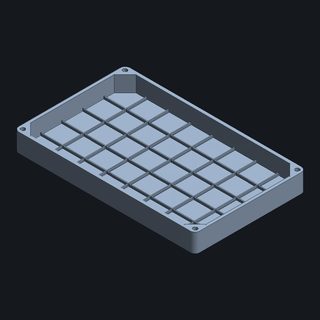 Photo lid
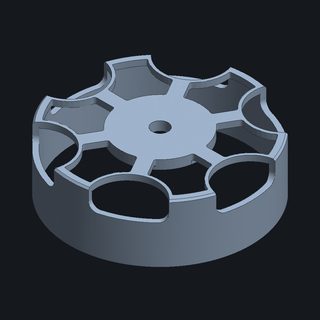 Photo motor bell
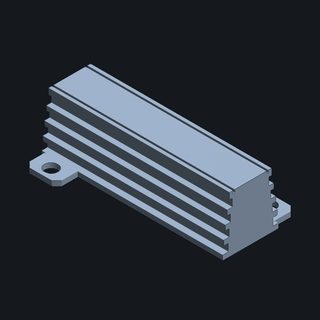 Photo resistor
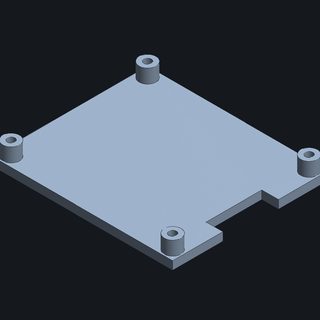 Rpi4 tray
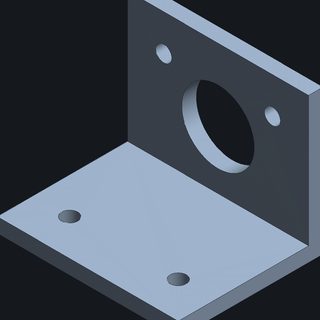 Bracket second mount
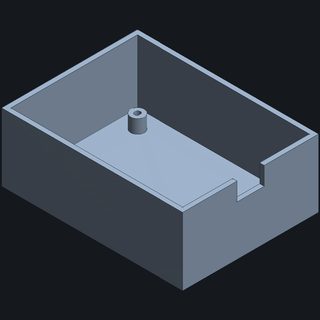 Enclosure build up
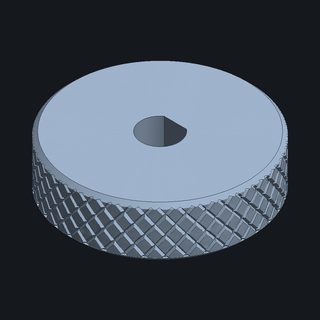 Knob then widen
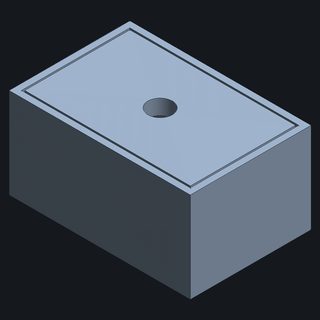 Lid fit and finger hole
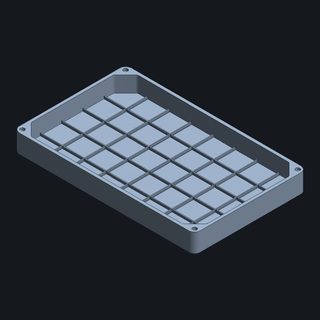 Photo lid then centred
How the score is made
Built 30%, measured geometry 50%, AI judge 20%. A failed gate zeroes geometry for that attempt. The AI judges are Opus 4.8 and GPT-5.6 Sol. Read the methodology.